

Table of contents
TrustScore 4.8 | 10,000+ customers
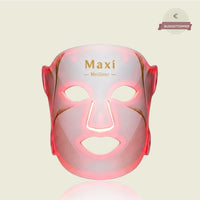
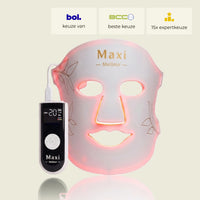

Is an LED mask nonsense?
Maybe you're sceptical. You see LED masks everywhere, with promises of smoother skin, fewer blemishes and a fresh glow. So it's only natural to wonder: is an LED mask effective, or is it mostly marketing and therefore nonsense?
An LED face mask is a flexible mask fitted with small light sources that emit controlled light in specific colours, such as red light, blue light and sometimes infrared (NIR). This light is not UV, it does not burn your skin, and it is non-invasive. The idea is both technically sound and plausible: light of a particular wavelength can support processes within the skin, so that over time your skin can look more even, calmer and firmer.
Where it often goes wrong, and why people question LED masks, is that not all devices are the same:
- Some LED face masks are too weak
- Some LED masks have an unclear wavelength
- Sometimes there is a lack of transparency about important details such as irradiance (mW/cm²), in other words the intensity of the light.
Once you understand how LED light therapy works and what to look out for, you can cut through the hype and make a realistic choice that suits your skin.
[banner-cta-1]How does an LED face mask work?
When you use an LED face mask, you expose yourself to low-energy visible light, and with some masks to near-infrared light as well. This light comes into contact with your skin and is partly absorbed across different skin layers. Red light penetrates more deeply than blue light, while blue light mainly works closer to the surface. Infrared (NIR) generally goes deeper still, but the effect depends strongly on the technical specifications, such as wavelength, dosage, distance to the skin and the actual irradiance.
In practice, it comes down above all to consistent use and a clear, achievable approach. LED light therapy is not a one-off treatment, but a method you build up over time. With a set rhythm, you address the same skin need again and again, so that your skin can gradually respond to the stimulus and you see results sooner that fit with long-term skin improvement.
To keep things simple, you can think of using an LED face mask as a few easy steps that fit effortlessly into your routine:
- You start with clean, dry skin, so that the light can reach your skin evenly.
- You put on the mask and choose the light mode that suits your skin goal, for example red light for skin improvement or blue light for a troubled skin.
- You let the session run for the set treatment time, around 15 minutes each time, without needing to schedule any recovery time.
- Afterwards, you continue your routine with gentle, supportive care, so that your skin stays comfortable and your skin barrier feels good.
- You repeat this 3 to 5 times a week, because regular repetition matters more than one long session. How often you should use an LED mask depends on your skin.
This is exactly why transparency and guidance are so valuable. When you know which wavelengths are used, how much light your skin actually receives and how to apply the mask safely and consistently, you can work on skin improvement in a far more targeted way.
[product-cta-1]Does an LED mask really work?
Yes, an LED mask can genuinely work, but it is not a quick trick. If you're wondering whether an LED mask really helps, it mainly comes down to three things: the right wavelengths, enough light intensity and consistent use. The way it works is based on photobiomodulation, whereby light energy is absorbed by skin cells and can support processes that are important for skin improvement.
Red light and near-infrared (NIR) are often used to support a smoother, firmer appearance and to promote recovery and comfort, especially if your skin easily loses its balance. Blue light works more at the surface and is often chosen for a troubled skin and blemishes.
You'll usually notice first that your skin feels calmer and has more glow. After that, your skin texture may refine and your skin can look more even, often only really after several weeks. That's why an achievable routine several times a week is more important than the occasional long session.
The effectiveness of LED light therapy
Is LED light therapy nonsense? No, but the effectiveness of LED light therapy isn't a black-and-white story either. In the medical and cosmetic world, light therapy has been used for some time, especially with red light, which you'll often see referred to as “red light therapy”.
Research shows that red LED light can visibly support the appearance of skin ageing: a prospective, randomised, placebo-controlled and double-blind split-face study of LED phototherapy for skin ageing describes improvements in wrinkles and skin texture after a treatment period. (Sanclemente et al., 2010)
At the same time, it's important to compare critically: studies don't always use the same wavelengths, dosage and treatment frequency, which means results can vary, and professional devices in a clinic are often more powerful than many home devices.
What is interesting, however, is that research also exists that looks specifically at portable, at-home LED devices. For instance, a systematic review and meta-analysis in JAMA Dermatology describes that in randomised studies with home LED devices using red and/or blue light, participants saw an average improvement in acne outcomes, while reported side effects were mostly mild, such as temporary dryness or irritation. This supports the idea that home use is not automatically nonsense, provided the device is well designed and you use it correctly.
[banner-cta-2]What to look out for with infrared masks
If you're considering an LED mask, it's wise to look beyond attractive photos and sponsored-looking reviews. Many people also search for LED-mask facial experiences to compare promises with real results. A good mask feels comfortable, works in a controlled way and is transparent about its specifications. Below you'll find the key points to check, so that you can use it safely and purposefully and avoid unnecessary doubt.
- Wavelength in nanometres (nm): the wavelength determines which type of light you get and how deeply it can penetrate. Red light and infrared (NIR) are often chosen for skin rejuvenation and recovery support, while blue light is used more for blemish-prone skin. If a brand doesn't mention nm values, it's hard to compare how it works.
- Irradiance (mW/cm²) and dosage: this is the technical element that makes a big difference. Irradiance tells you how much light energy actually reaches your skin. A mask may have many little lights, but if the output is low, the effect remains limited. Transparency about power and a clear protocol help you set realistic expectations for the results.
- Eye protection and safety: an LED mask should be safe, but your eyes deserve extra attention. Choose a mask with good shielding or included eye protection and use it according to the instructions. If you have sensitivity or a light-reactive skin, it's wise to build up carefully.
- Material, fit and comfort: if a mask isn't pleasant to wear, you'll use it less often, and then results are hard to achieve. A soft silicone fit, a secure fastening and even light coverage make all the difference to your consistency and experience.
- Reliability of reviews and guidance: reviews can help, but pay attention to whether they're substantive and not just full of enthusiasm. A brand that offers personal guidance, gives clear instructions and takes questions seriously reduces the chance of incorrect use and increases your confidence.
If you keep these points in mind, it becomes easier to separate sense from nonsense. An LED mask is not magic, but nor is it a pointless gadget when the specifications are right, you use it safely and you make it part of a consistent routine that suits your skin.
Do dermatologists recommend LED masks?
Dermatologists can certainly recommend LED light therapy, but nearly always with nuance. It's rarely a replacement for a medical treatment and it's not a quick fix that “sorts out” everything in one go either. What you do often see is that of all the LED mask colours, red light in particular, and sometimes a combination of red and blue light, is regarded by dermatologists as a safe, non-invasive form of support for skin improvement, for example for a dull skin, visible fine lines or mild to moderate blemishes.
Many dermatologists emphasise that you're free to compare critically on specifications and safety. It can be wise to consult a dermatologist or practitioner first if one of these situations applies to you:
- You have a skin condition or you're undergoing treatment, and you want to be sure that LED fits within your skin plan.
- Your skin reacts quickly to stimuli or light, or you have a sensitive, stress-prone skin that turns red or irritated more easily.
- You're prone to pigmentation spots, such as melasma, and you want to avoid your skin becoming unnecessarily unbalanced.
- You use medication or topical products that can make your skin more light-sensitive, which may call for a different frequency or build-up.
This way, you make sure you're working safely and you avoid disappointment. LED light therapy can be technically well founded, but you could achieve results faster when you use it wisely, tailored to your skin type and your skin's response.
LED combined with skincare routines
If you want to combine LED with skincare in your routine, it usually works most pleasantly when you keep it simple and consistent. A clear step-by-step plan helps you build up your treatment gently and protect your skin barrier:
- Cleanse your face and pat your skin dry, so that the light can penetrate evenly.
- Use your LED mask according to the chosen programme and the recommended treatment time, without overdoing it.
- Afterwards, apply care with hydrating and soothing ingredients that support your skin.
- If you use active ingredients such as retinoids or exfoliants, take a critical look at the overall load on your routine, especially if your skin is sensitive.
- Assess how your skin feels: comfort is the goal, and if there's any tingling, gently reduce the frequency or allow extra recovery time.
This is also exactly where a premium, transparent brand makes the difference. Maxi Meilleur is here for long-term skin improvement at home, with a natural, non-invasive approach that you can keep up.
The results of using an LED mask
What you can expect depends on your goal, your skin type and how consistently you use the mask. And not everyone is able to use an LED mask. Many people notice subtle changes first: a calmer skin, a fresher appearance and a more even complexion. After that, the effect can become more visible, such as a refined texture, less visible redness or a smoother look where there are fine lines.
This is not a quick fix, and that's precisely its strength: you build towards long-term skin improvement through a routine you can keep up. You'll often see the first visible changes after a few weeks of consistent use, and the results build further from there.
A realistic schedule is several sessions per week, with regular repetition. Using it consistently is more important than a single long session, because the skin benefits from repeated stimuli within a steady rhythm. Also bear in mind side effects that sometimes occur, such as temporary dryness or mild irritation, especially if you're just starting out or if your skin is sensitive. Building up gradually, hydrating well and supporting your skin barrier all help to keep the process comfortable.
[product-cta-2]Buying an LED mask at Maxi Meilleur?
If you call an LED mask “nonsense”, it's often because you once saw a mask with unclear specifications, little guidance, or overblown promises. At Maxi Meilleur it's all about transparency, non-invasive skin improvement and an approach you can sustain over the long term.
You're choosing a premium Dutch brand that makes LED light therapy understandable and accessible for home use, with attention to safety, clear instructions and personal guidance, so that you know what you're doing and why you're doing it.
Want an LED mask that helps you work consistently towards a radiant, calm skin, without aggressive treatments and without empty hype? Then discover the LED masks from Maxi Meilleur and choose the approach that suits your skin goal, your rhythm and your need for a realistic, measurable routine.
Sources
Mass General Brigham. (2025, 5 maart). Systematic review and meta-analysis of at-home red and/or blue LED light therapy for acne vulgaris. JAMA Dermatology.
Salamon, M. (2025, 21 oktober). Red light therapy for skin care. Harvard Health Publishing. https://www.health.harvard.edu/staying-healthy/red-light-therapy-for-skin-care
Sanclemente, G., et al. (2010). Prospectieve, gerandomiseerde, placebogecontroleerde en dubbelblinde split-face studie naar LED-fototherapie bij huidveroudering (zoals aangehaald in dit artikel; volledige referentie ter verificatie).
Veelgestelde vragen over het nut van een LED masker
Need help?
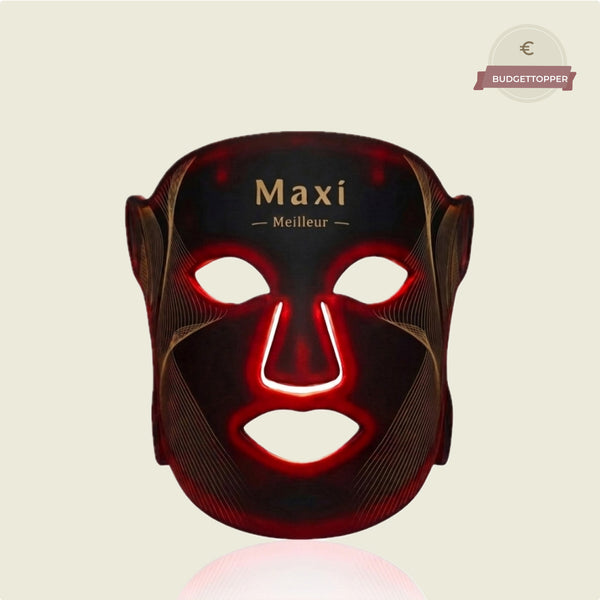
Nova Series - LED Mask Black
- Entry-level model for high-quality LED therapy + 850 nm near infrared
- Simple routine for fresher and more even-toned skin
- Face + chin coverage
€129,00
Shop now
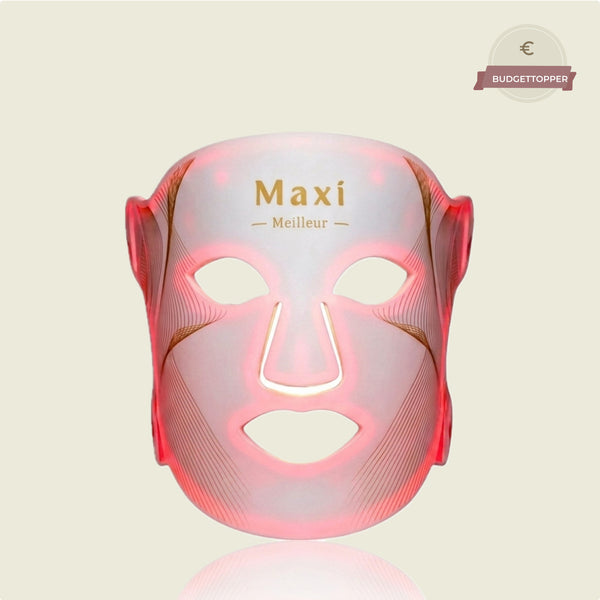
Nova Series - LED Mask White
- Entry-level model for high-quality LED therapy + 850 nm near infrared
- Simple routine for fresher and more even-toned skin
- Face + chin coverage
€129,00
Shop now
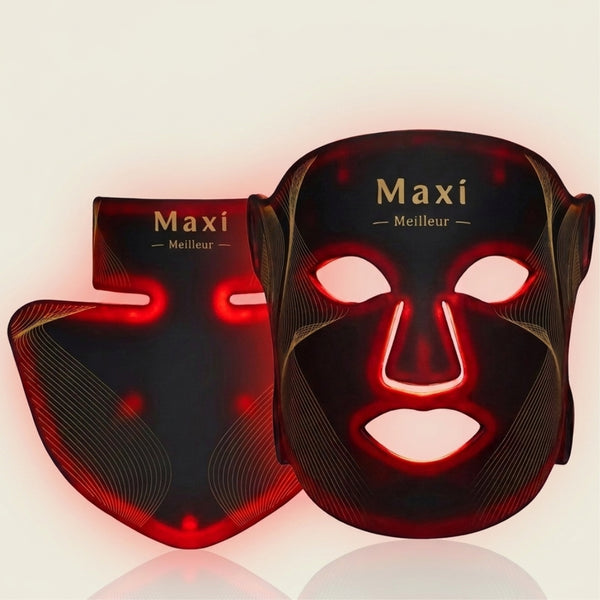
Nova Series - LED Mask White
- Entry-level model for high-quality LED therapy + 850 nm near infrared
- Simple routine for fresher and more even skin
- Face + neck + décolleté coverage
€229,00
Shop now
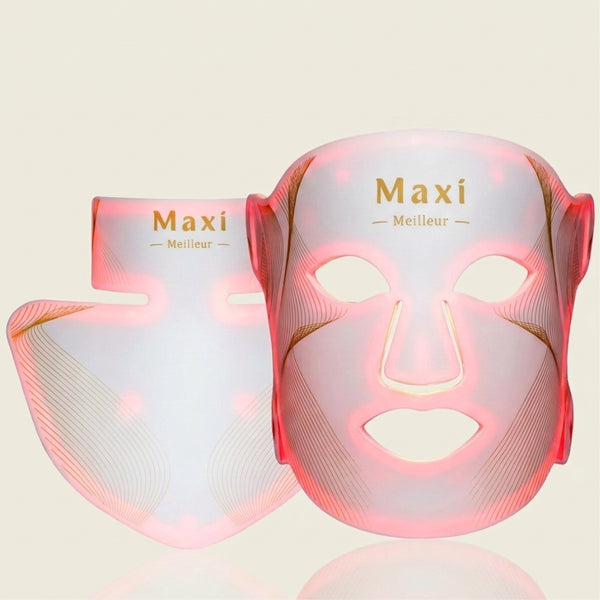
Nova Series - LED Mask White
- Entry-level model for high-quality LED therapy + 850 nm near infrared
- Simple routine for fresher and more even skin
- Face + neck + décolletage coverage
€229,00
Shop now
Save €30,00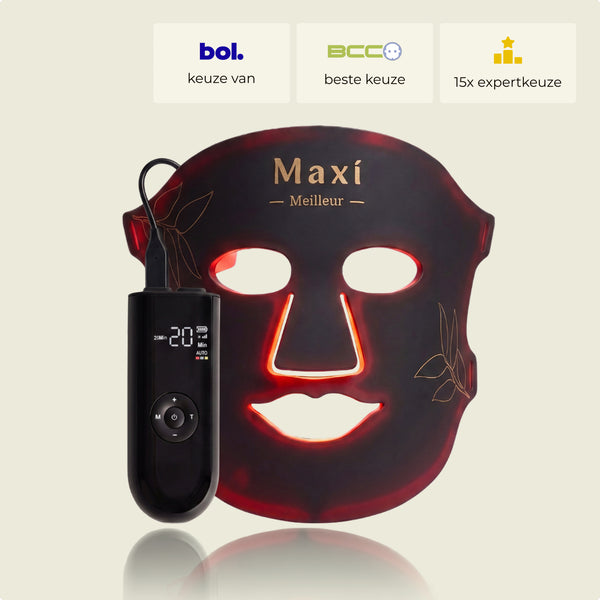
Pro Series - LED Mask
- Clinically & dermatologically tested by an independent lab
- High Density - Quattro LED chip technology + 850 nm near-infrared
- Face + chin coverage
€219,00€249,00
Shop now
Save €30,00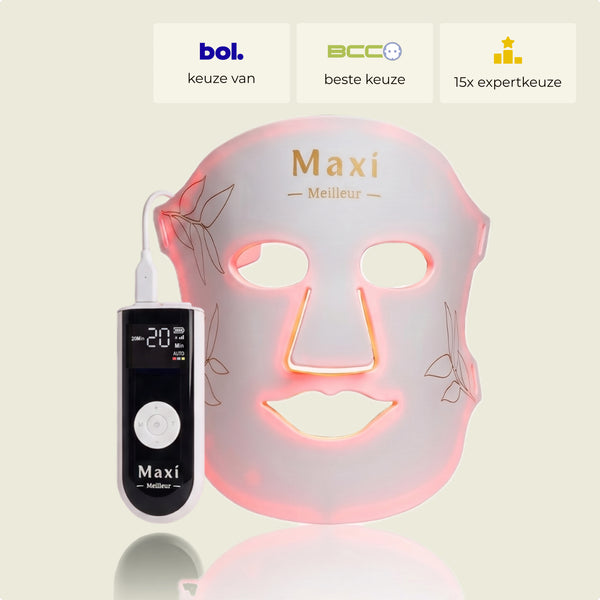
Pro Series - LED Mask White
- Clinically & dermatologically tested by an independent lab
- High Density - Quattro LED chip technology + 850 nm near-infrared
- Face + chin coverage
€219,00€249,00
Shop now
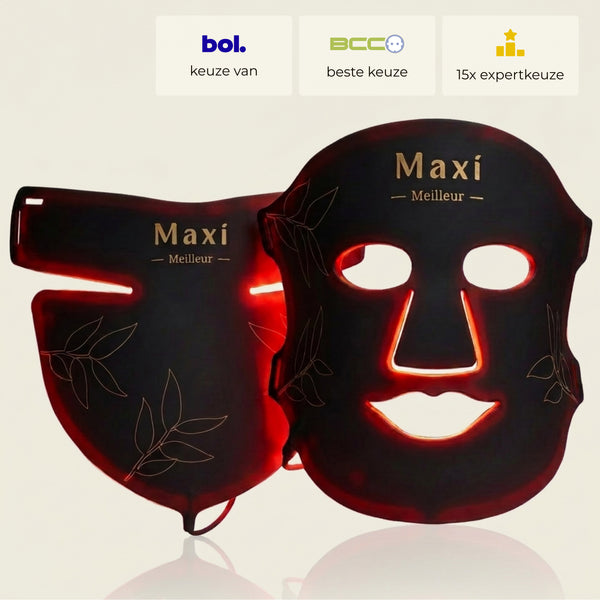
Pro Series - Full Glow Set Black
- Klinisch & dermatologisch getest door een onafhankelijk lab
- 680 High Density LEDs - Quattro LED-chip technologie + 850 nm nabij infrarood
- Gezicht + Hals + borst dekking
€339,00
Shop now
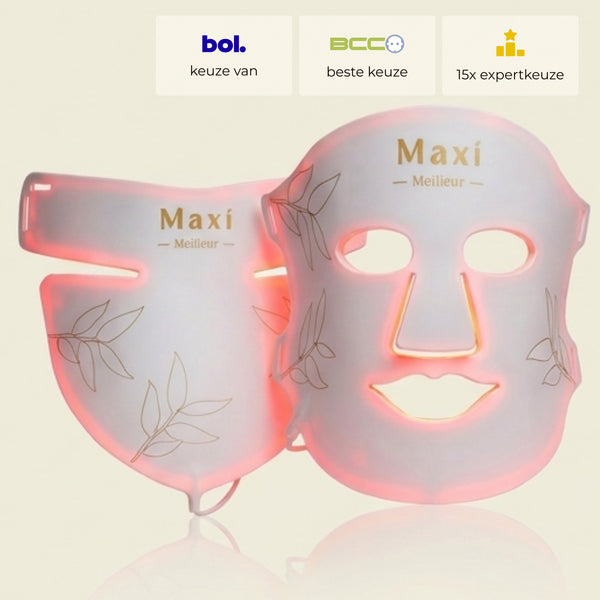
Pro Series - Full Glow Set White
- Clinically & dermatologically tested by an independent lab
- 680 High Density LEDs - Quattro LED chip technology + 850 nm near-infrared
- Face + Neck + chest coverage
€339,00
Shop now


