

Table of contents
TrustScore 4.8 | 10,000+ customers

Red light therapy acne treatment
Red light therapy has been studied in scientific and clinical settings for years because of its potential influence on skin repair (Hamblin, 2017; Salamon, 2025). Wavelengths around 630 to 660 nanometres penetrate the upper layers of the skin and are being investigated for their potential skin-supporting effects (Couturaud et al., 2023; Papageorgiou et al., 2000; Wunsch & Matuschka, 2014). As a result, more and more people are wondering whether they can use this technology on wounds as well.
At Maxi Meilleur we believe in honest, transparent information: we guide you through what red light therapy does from a scientific standpoint, how cosmetic applications differ from medical treatments, and what role an LED mask can realistically play within your skincare routine.
[banner-cta-1]
Does red light therapy work for wound healing?
Scientific research shows that red light can have a measurable influence on the repair of skin cells (Hamblin, 2017). In clinical settings, light within specific wavelengths is studied as a supporting element of broader skin treatments (Khoury & Goldman, 2008; Wunsch & Matuschka, 2014). At the same time, it is important to make a nuanced distinction: a cosmetic red light therapy mask is not designed or certified to heal active wounds. For open skin injuries, burns or post-surgical skin, a doctor or dermatologist is always the right point of contact.
Cosmetic red light devices are developed for use on healthy, intact skin and focus on skin radiance and skin comfort. How effective an LED mask truly is depends on the scientific evidence behind the device and the way you use it. Maxi Meilleur deliberately chooses transparency about what a cosmetic light device can and cannot do.
[product-cta-1]
How does red light therapy work on wounds?
Red light therapy projects photons within a specific wavelength onto the skin. These photons are absorbed by the skin and can influence skin processes in a non-invasive way (Hamblin, 2017). Scientific literature examines how this principle can affect the skin at a cellular level (Hamblin, 2017; Salamon, 2025).
Within the cosmetic domain, red light plays a supporting role in a firmer and more even skin radiance and in helping irritated but healthy skin appear calmer (Couturaud et al., 2023; Wunsch & Matuschka, 2014). The different colours in an LED mask each have their own area of application; red light focuses on rejuvenation, while infrared masks penetrate deeper into the skin layers (Wunsch & Matuschka, 2014). For active wounds or damaged skin, we always refer you to a dermatologist or general practitioner.
[banner-cta-2]
Benefits of red light therapy on wounds
A cosmetic LED mask is not a treatment for active wounds, but within the right framework red light therapy does offer a number of supporting properties for use on healthy skin.
- Supports a well-cared-for skin radiance: red light is studied in scientific literature in relation to a firmer and more even skin radiance with consistent use (Couturaud et al., 2023; Weiss et al., 2005; Wunsch & Matuschka, 2014).
- Refines skin texture: regular use on healthy skin can contribute to a more even skin structure and a smoother-looking skin surface (Weiss et al., 2005; Wunsch & Matuschka, 2014).
- Non-invasive application: red light therapy works without heat build-up, chemical agents or mechanical irritation, which makes it pleasant for daily use (Salamon, 2025).
- Comfort and ease of use: an LED mask integrates easily into your existing skincare routine, without side effects that disrupt your daily schedule.
- Gentle approach for sensitive skin: because the light works contact-free and UV-free, it is an accessible addition for anyone looking for a skin-friendly routine (Salamon, 2025).
These benefits apply exclusively to use on healthy, intact skin. For wound healing, a doctor or dermatologist is always the right point of contact.
[product-cta-2]
Red light therapy for wound healing at Maxi Meilleur
At Maxi Meilleur we believe that honest communication forms the foundation of a reliable skincare routine. Our LED masks are designed for use on healthy skin and offer cosmetic support within a daily routine. For medical wound healing, we consistently refer you to a doctor or dermatologist; that is what a responsible brand ought to do. Our technology can, however, be a valuable addition to your broader skin routine, focused on radiance, firmness and skin comfort.
You invest in a device that has been developed with care, communicates transparently about what it does and does not do, and supports your skin over the long term. Invest in a red light therapy mask from Maxi Meilleur today and discover what consistent, responsible use can mean for your cosmetic skincare routine.
Sources
Couturaud, V., Le Fur, M., Pelletier, M., & Granotier, F. (2023). Reverse skin aging signs by red light photobiomodulation. Skin Research and Technology, 29, e13391. https://doi.org/10.1111/srt.13391
Hamblin, M. R. (2017). Mechanisms and applications of the anti-inflammatory effects of photobiomodulation. AIMS Biophysics, 4(3), 337–361. https://www.ncbi.nlm.nih.gov/pmc/articles/PMC5523874/
Khoury, J. G., & Goldman, M. P. (2008). Use of light-emitting diode photomodulation to reduce erythema and discomfort after intense pulsed light treatment of photodamage. Journal of Cosmetic Dermatology, 7(1), 30–34. https://pubmed.ncbi.nlm.nih.gov/18254808/
Papageorgiou, P., Katsambas, A., & Chu, A. (2000). Phototherapy with blue (415 nm) and red (660 nm) light in the treatment of acne vulgaris. British Journal of Dermatology, 142(5), 973–978. https://pubmed.ncbi.nlm.nih.gov/10809858/
Salamon, M. (2025). Red light therapy for skin care. Harvard Health Publishing. https://www.health.harvard.edu/staying-healthy/red-light-therapy-for-skin-care
Weiss, R. A., McDaniel, D. H., Geronemus, R. G., & Weiss, M. A. (2005). Clinical trial of a novel non-thermal LED array for reversal of photoaging: Clinical, histologic, and surface profilometric results. Lasers in Surgery and Medicine, 36(2), 85–91. https://doi.org/10.1002/lsm.20107
Wunsch, A., & Matuschka, K. (2014). A controlled trial to determine the efficacy of red and near-infrared light treatment in patient satisfaction, reduction of fine lines, wrinkles, skin roughness, and intradermal collagen density increase. Photomedicine and Laser Surgery, 32(2), 93–100. https://www.ncbi.nlm.nih.gov/pmc/articles/PMC3926176/
Frequently asked questions about red light therapy for acne
Need help?
Save €20,00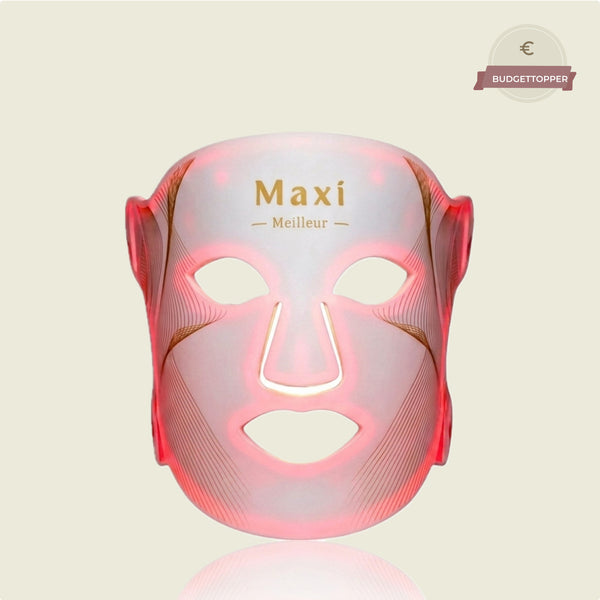
Nova Series - LED Mask White
- Entry-level model for high-quality LED therapy + 850 nm near infrared
- Simple routine for fresher and more even-toned skin
- Face + chin coverage
€109,00€129,00
Shop now
Save €50,00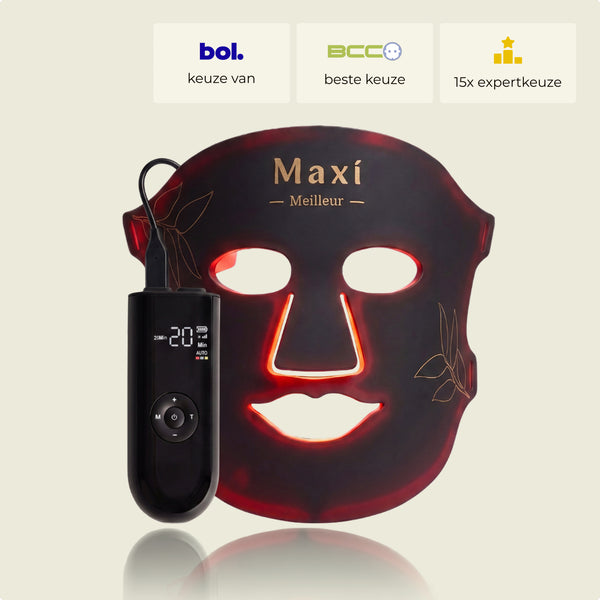
Pro Series - LED Mask
- Clinically researched wavelength for anti-aging and blemish-prone skin
- High Density - Quattro LED chip technology + 850nm near infrared
- Face + chin coverage
€199,00€249,00
Shop now
Save €21,00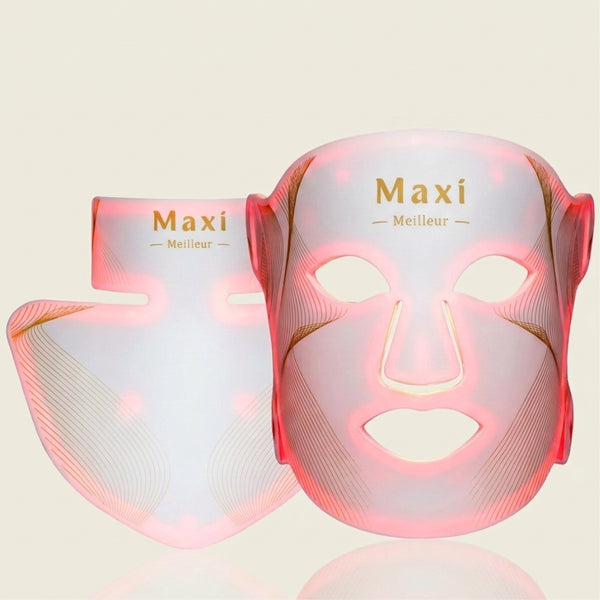
Nova Series - LED Mask White
- Entry-level model for high-quality LED therapy + 850 nm near infrared
- Simple routine for fresher and more even skin
- Face + neck + décolletage coverage
€219,00€240,00
Shop now
Save €26,00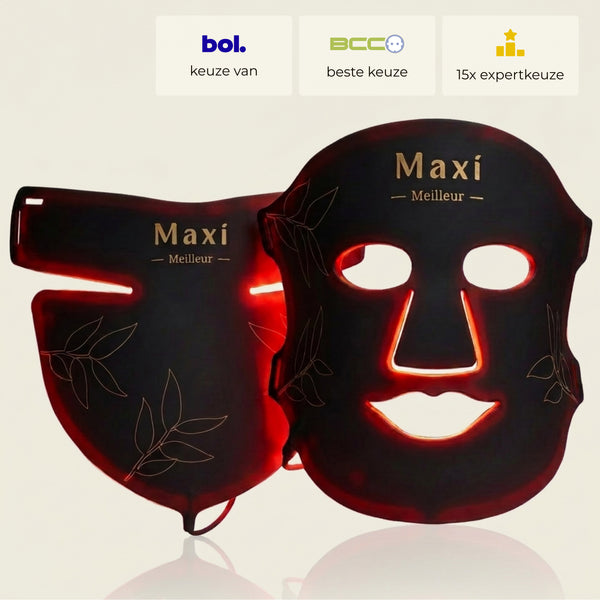
Pro Series - Full Glow Set Black
- Clinically researched wavelength for anti-aging and blemish-prone skin
- High-Density - Quattro LED chip technology + 850nm Near-Infrared
- Face + Neck + Chest coverage
€299,00€325,00
Shop now


