


Table of contents
TrustScore 4.8 | 10,000+ customers

Is infrared harmful?
In normal, controlled applications, infrared light is not harmful and is now used on a large scale, from saunas and heat lamps to LED masks for home use. Still, it is understandable that you might wonder whether infrared radiation is safe, especially when using it close to your skin. In a world where skincare is becoming increasingly innovative, you want to be sure that what you use is not only effective, but also responsible.
Infrared light is part of the natural light spectrum and is applied in fields such as wellness, physiotherapy and skin improvement. Infrared also plays an important role within LED light therapy, because it can penetrate the skin more deeply than visible light. That may sound intense, but this depth of action is precisely why it is used to support healthy-looking skin and skin condition.
[banner-cta-1]
What is infrared light?
Infrared light is an invisible form of light that falls just outside the visible red spectrum and is perceived primarily as warmth. It is part of the natural electromagnetic spectrum, just like sunlight, but has a longer wavelength than visible light. This means it can penetrate the skin more deeply without being seen by the naked eye.
Scientific literature describes that red and near-infrared light can influence the mitochondria, the powerhouses of our cells, which is associated with processes involved in skin balance and condition (Hamblin, 2017). This does not mean that infrared is a medical miracle cure, but it does mean that it can have a biological effect when applied in the right way according to the studies.
What types of infrared are there?
There are several variants of infrared light, which differ from one another in wavelength and depth of action within the body. Not every form is applied in the same way. Within skincare and LED light therapy, it usually involves specific, controlled forms of infrared that are tailored to safe home use.
- IR-A (short-wave infrared): this form has the shortest wavelength within the infrared spectrum and penetrates most deeply into the skin and underlying tissues. IR-A is often used in therapeutic applications and can generate heat at high intensity.
- IR-B (medium-wave infrared): this variant penetrates less deeply than IR-A and is mainly associated with a surface-level warming effect. IR-B is used, among other things, in heat lamps and certain medical devices.
- IR-C (long-wave infrared): this is the longest wavelength within infrared and works primarily at the skin's surface. IR-C is often used in infrared saunas and heating systems, where it mainly provides a pleasant sensation of warmth.
[product-cta-1]
Is infrared harmful to your health?
With normal and controlled use, infrared light is not harmful to your health. Still, it is understandable that there is sometimes confusion about this, because the word radiation is often immediately associated with risks. It is important to distinguish between different types of radiation. Infrared belongs to non-ionising radiation, which means that it does not cause damage to DNA, as UV radiation can do.
Within medical and cosmetic contexts, red and near-infrared light has been studied for many years. Medical experts describe red light therapy and near-infrared as safe for skin use, without the risks associated with UV light; reported side effects are usually mild and temporary, such as slight redness or a warm sensation (Salamon, 2025). This does not mean that more is always better, but it does mean that with correct use it is considered safe.
Is infrared harmful to the skin?
When used correctly, infrared light is not harmful to the skin. Unlike UV radiation, infrared does not cause sunburn or direct DNA damage. LED light therapy works with non-thermal, controlled light energy that is intended to support the skin in a gentle way.
The intensity of a quality LED mask is tailored to home use, so the skin does not become overloaded. You usually feel no strong warmth, at most a subtle sensation. It is important to use the device according to the guidelines, on clean skin and without excessively extending the treatment time. Sometimes you do need to be cautious with its use, because not everyone is allowed to use a red light mask.
Is infrared harmful to the eyes?
With normal use of a certified LED mask, infrared light is not harmful to the eyes. Professional and high-quality LED masks are designed with safe intensities and are often equipped with eye protection or cut-outs that limit direct exposure.
It is important never to look into powerful light sources for prolonged periods, regardless of the type of light. Always follow the device's instructions and use any supplied eye protection when recommended. With correct use, infrared within LED therapy poses no risk to your vision.
Is infrared radiation harmful with more frequent use?
More frequent use of infrared light is not automatically more harmful, as long as you stay within the recommended guidelines and work with a quality, non-thermal LED device. In the context of photobiomodulation, there is often talk of a so-called dose response. This means that the skin needs an optimal stimulus to support processes such as cell activity and skin recovery.
In the study by Wunsch & Matuschka on red and near-infrared light, improvements in the visible appearance of the skin were observed with regular sessions when applied consistently over a longer period (Wunsch & Matuschka, 2014). This above all emphasises the importance of repetition and routine, not of excessive or prolonged use per session.
[banner-cta-2]
What the benefits of infrared light can be:
When infrared light is applied in the right way and at a suitable intensity, it can support the skin in a natural and non-invasive way. This is not about quick, aggressive interventions, but about supporting what is already naturally present in your skin. How quickly you might see results from an LED mask varies greatly from person to person. Within a consistent skincare routine, infrared light can contribute to stronger, more resilient and healthier-looking skin.
- Support for cell activity: can contribute to an active, vibrant feeling in the skin.
- Improved circulation: it can contribute to a better supply of oxygen and nutrients in the skin.
- Support for skin recovery: over time, the skin can look more resilient.
- Reduction of visible redness: it can help the skin look calmer and more even.
- Supports a firm, smoother appearance: this contributes to a tighter skin structure.
- Comfortable, non-invasive treatment: no injectables, no chemical peel, but a gentle light treatment for at home.
It is important to note that these benefits are linked to consistent use, the right wavelength and a device that is safely designed for home use. Infrared light is not a miracle cure, but it can be a valuable addition within a well-considered skin strategy.
[product-cta-2]
Conclusion: is infrared harmful?
With correct and controlled use, infrared light is not harmful and is used worldwide within wellness, skin improvement and light therapy. It belongs to non-ionising radiation, contains no UV component and, at normal intensity, causes no damage to the skin or eyes.
If you are considering a non-medical infrared LED mask for home use, choose a brand that works with safe specifications, clear guidance and a realistic approach to skin improvement. That way, you make a conscious choice for a natural approach that suits your skin and your rhythm. Would you like to discover how a premium LED mask can strengthen your skincare routine? We at Maxi Meilleur have a solution developed with a focus on safety, quality and personal support.
Sources
Hamblin, M. R. (2017). Mechanisms and applications of the anti-inflammatory effects of photobiomodulation. AIMS Biophysics, 4(3), 337–361. https://doi.org/10.3934/biophy.2017.3.337
Wunsch, A., & Matuschka, K. (2014). A controlled trial to determine the efficacy of red and near-infrared light treatment in patient satisfaction, reduction of fine lines, wrinkles, skin roughness, and intradermal collagen density increase. Photomedicine and Laser Surgery, 32(2), 93–100. https://doi.org/10.1089/pho.2013.3616
Salamon, M. (2025, October 21). Red light therapy for skincare. Harvard Health Publishing. https://www.health.harvard.edu/staying-healthy/red-light-therapy-for-skin-care

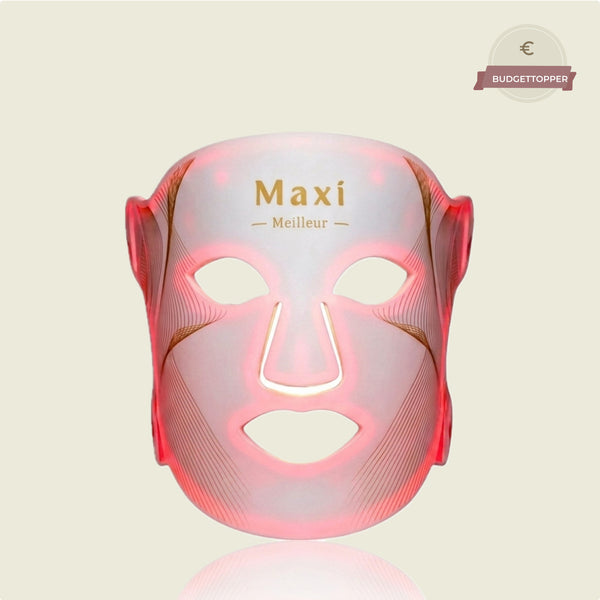
Nova Series - LED Mask White
- Entry-level model for high-quality LED therapy + 850 nm near infrared
- Simple routine for fresher and more even-toned skin
- Face + chin coverage
€129,00
Shop now
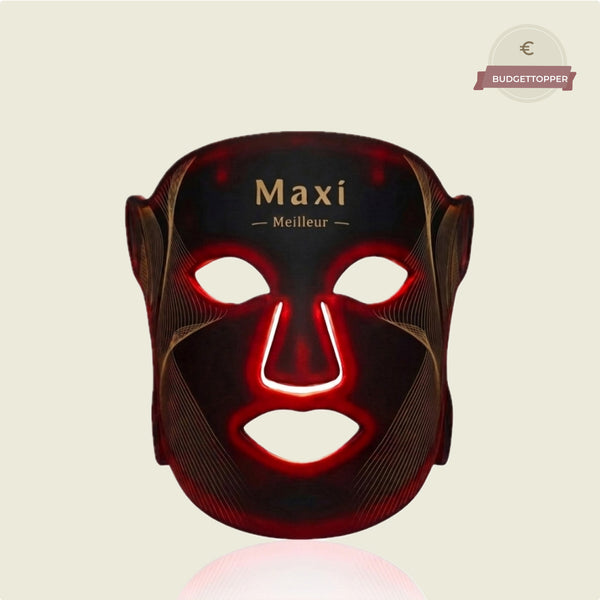
Nova Series - LED Mask Black
- Entry-level model for high-quality LED therapy + 850 nm near infrared
- Simple routine for fresher and more even-toned skin
- Face + chin coverage
€129,00
Shop now
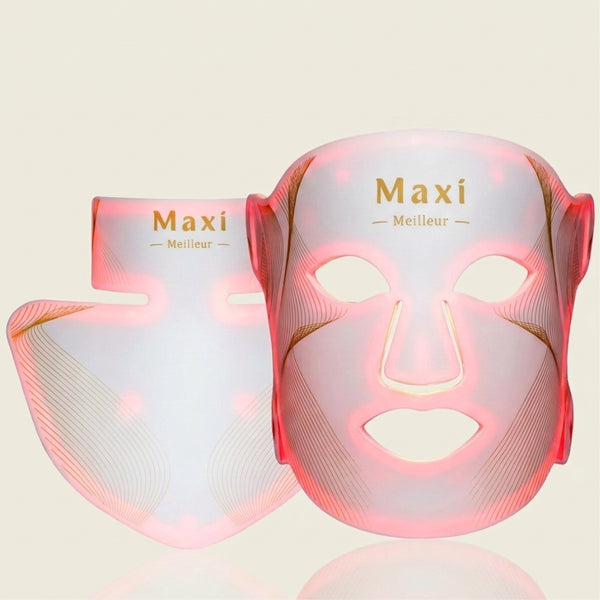
Nova Series - LED Mask White
- Entry-level model for high-quality LED therapy + 850 nm near infrared
- Simple routine for fresher and more even skin
- Face + neck + décolletage coverage
€229,00
Shop now
Save €30,00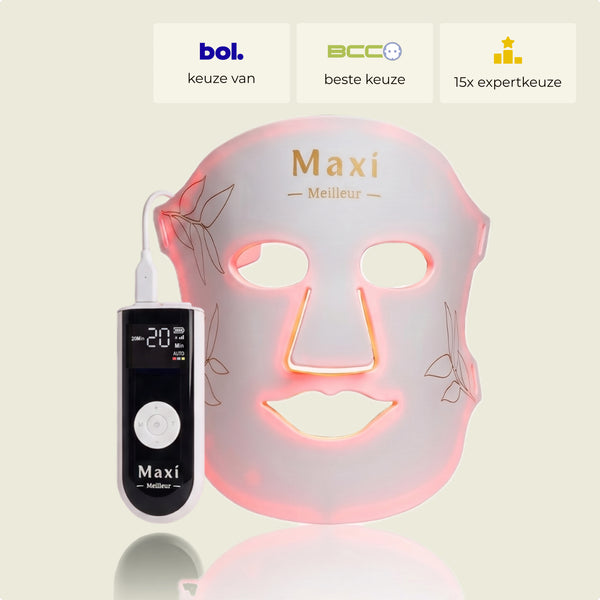
Pro Series - LED Mask White
- Clinically & dermatologically tested by an independent lab
- High Density - Quattro LED chip technology + 850 nm near-infrared
- Face + chin coverage
€219,00€249,00
Shop now
Save €30,00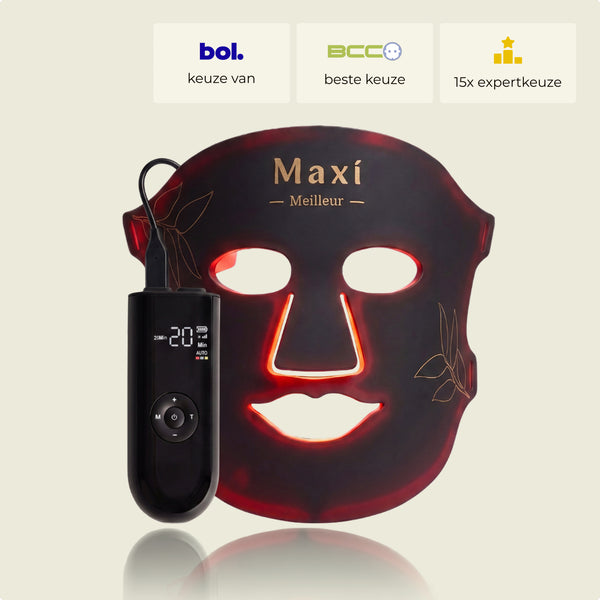
Pro Series - LED Mask
- Clinically & dermatologically tested by an independent lab
- High Density - Quattro LED chip technology + 850 nm near-infrared
- Face + chin coverage
€219,00€249,00
Shop now
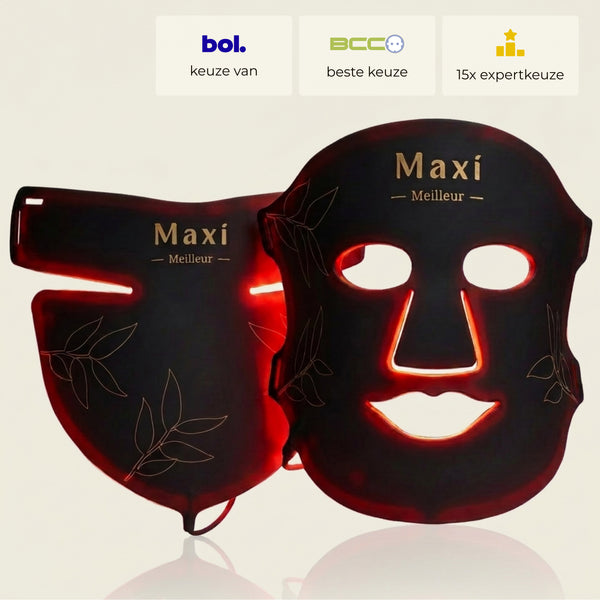
Pro Series - Full Glow Set Black
- Klinisch & dermatologisch getest door een onafhankelijk lab
- 680 High Density LEDs - Quattro LED-chip technologie + 850 nm nabij infrarood
- Gezicht + Hals + borst dekking
€339,00
Shop now


