


Table of contents
TrustScore 4.8 | 10,000+ customers

Red Light Therapy Pain Relief
Red light therapy is increasingly being mentioned as a natural way to support pain relief and recovery. Anyone searching for pain relief soon comes across terms such as red light, near-infrared and photobiomodulation. But what exactly does it involve, and what can you realistically expect if you're dealing with, for example, muscle pain, joint pain or a stiff neck?
In this article we explain how red light therapy is linked to pain and recovery in research, which complaints it's studied for and which devices people use to try it out. Throughout, we stay close to what the scientific literature shows, so you get an honest picture without exaggerated promises.
[banner-cta-1]
Why red light therapy is used for pain
In red light therapy, the skin and the underlying tissue are exposed to specific wavelengths of red and near-infrared light. The broad background of red light therapy ranges from skincare to recovery, but in the context of pain the interest centres mainly on two things: how deeply the light can penetrate and what role it plays in research into recovery processes.
Many people are looking for a non-invasive way to support pain complaints, without medication or invasive treatments. That explains the growing interest in light as a complement to rest, movement and professional guidance. Something important to know in advance: red light therapy is not a miracle cure and is no substitute for medical advice. It's mainly seen as possible support within a broader approach.
What research says happens inside the cells
The way red and near-infrared light works is described in science under the term photobiomodulation. These wavelengths act on the mitochondria, the powerhouses of your cells, and are associated with an increase in energy production, with blood circulation and with the modulation of inflammatory processes (Hamblin, 2017).
Improved local blood flow is linked in research to the supply of oxygen and nutrients, which plays a role in the natural recovery process. It's that combination of cell activity and blood circulation that makes light come up so often in the context of recovery and pain reduction.
These mechanisms have been widely studied, but research into wavelength is separate from any specific device: the literature describes what light of a particular wavelength can do, not what a particular mask or panel guarantees. The same applies to the individual colours and wavelengths of LED light, which each have their own application.
[product-cta-1]
Which pain complaints red light therapy is studied for
Red light therapy is examined in research for a wide range of physical complaints. In studies, photobiomodulation is applied to conditions including knee osteoarthritis, tendon complaints, lower back pain and post-surgical pain, with varying degrees of evidence (Tamimi, 2026). The complaints that come up most often in the literature and in practice are:
- muscle pain: complaints after sport or exertion, where light is studied in relation to muscle recovery
- joint pain: complaints around the joints, including research into osteoarthritis and arthritis
- back pain and neck pain: common complaints caused by posture or prolonged strain
- injury recovery: support for the natural recovery process after overuse
Specifically in athletes, research explores whether light can contribute to less pain and a faster return to sport, with cautiously positive but inconclusive outcomes (Morgan et al., 2024). Results differ from person to person and by type of complaint, and the strength of the evidence isn't equally strong for every application. If you have persistent or severe pain, always discuss it with a doctor or physiotherapist. Red light can at most be a complement to a well-founded treatment plan, not a replacement for it.
Red light or infrared: which light suits which complaint
A frequently asked question when it comes to pain is whether you need red light or infrared. The difference lies mainly in the depth to which the light can penetrate:
- red light (630 to 660 nm): stays closer to the surface and is mainly associated with the skin
- near-infrared (810 to 850 nm): penetrates more deeply and is linked in research to deeper tissues such as muscles and joints
For complaints located deeper in the body, near-infrared is more often considered because of its greater penetration depth, while red light stays closer to the skin. Many devices combine both wavelengths to reach both the superficial and the deeper layers. The distinction between red light therapy and infrared plays a role here, because both have their own depth range and the choice depends on the location and nature of the complaint.
[banner-cta-2]
Which device do you use for red light therapy to relieve pain?
Red light therapy can be applied in various ways. Which device suits you depends on where your complaint is and how large the area is that you want to reach.
Light panels for larger areas
Light panels emit red and near-infrared light across a larger surface. They're mainly used for the body, for example for the back, shoulders or legs, making them the most common choice when it comes to muscle and joint complaints. The distance to the panel and the treatment duration partly determine how intense a session feels.
Flexible bands and wraps
Bands and wraps are designed to close around a specific body part, such as a knee, back or shoulder. They direct the light precisely at one area and are handy when you want to reach a defined zone during recovery after exertion.
LED face masks for the face and skin
LED face masks use the same wavelengths, but are designed for the face and skin and not for body pain. A brand like Maxi Meilleur focuses its masks on cosmetic use: they help the skin look smoother and fresher and are intended as a complement to your skincare routine. The red light therapy masks for home use work with red light at 630 nm and near-infrared at 850 nm and are non-invasive to use. If, alongside the face, you also want to include the neck and décolleté, you can opt for the separate masks for the neck and décolleté.
What you can expect from pain relief with red light
Anyone wanting to try red light for pain is wise to have realistic expectations. Effects rarely appear overnight. In practice, users often describe a gradual course, where consistency matters more than a single long session. Many clinical studies point to pain reduction, but the outcomes vary greatly due to the wide range of protocols and target groups (Ferreira et al., 2026).
Many applications revolve around short sessions of a few minutes up to a quarter of an hour, a few times a week. How much someone notices depends on the wavelength, the light intensity, the distance to the light source and the treatment duration, and on the regularity with which you apply it. The same logic applies to the skin, where above all how often you use an LED mask determines what you see over time. With pain complaints, always pay attention to how your body responds and stop if there's any discomfort.
Is red light therapy safe and who is it less suitable for
Red light therapy is generally considered safe when you use it according to the instructions. Red and near-infrared light contain no harmful UV radiation and give off little heat. It's regarded as safe for the skin, and the results depend mainly on wavelength, dose and consistent use, while devices differ greatly from one another (Salamon, 2025). Nonetheless, caution is warranted, certainly around the eyes and with prolonged use, and how carefully you apply it partly determines whether infrared light is harmful.
In certain situations, extra caution or consultation with a doctor is advisable:
- pregnancy: consult a healthcare provider beforehand
- medication that makes the skin sensitive to light: discuss this with your doctor
- existing skin or health complaints: seek advice before you start
Not everyone, moreover, is a suitable candidate, and it pays to check in advance who is better off not using a red light mask. If you're unsure about your situation, always consult a professional first.
[product-cta-2]
Ready to get started with red light for pain relief?
Consciously choosing what suits you makes all the difference. For body pain, panels and bands are the logical choice, while an LED face mask focuses on the face and skin. If you'd like to explore at your own pace what fits, at Maxi Meilleur you'll find an overview of LED face masks for home use, with clear explanations, a manual and personal guidance so you can make a well-considered start.
Sources
The sources below concern red and near-infrared light in general. They underpin the mechanisms, the research picture and the safety picture described in this article, and do not relate to a specific product.
Ferreira, L. M. A., Oliveira, A. B. C., Mendes, J. J. B., Costa, G. V., Silva, I. R., Santos, G. N., Pereira, G. S., & Silva, M. L. (2026). Photobiomodulation in chronic pain: A systematic review of randomized clinical trials. Frontiers in Integrative Neuroscience, 20, Article 1717372. https://doi.org/10.3389/fnint.2026.1717372
Hamblin, M. R. (2017). Mechanisms and applications of the anti-inflammatory effects of photobiomodulation. AIMS Biophysics, 4(3), 337–361. https://www.ncbi.nlm.nih.gov/pmc/articles/PMC5523874/
Morgan, R. M., Wheeler, T. D., Poolman, M. A., Haugen, E. N. J., LeMire, S. D., & Fitzgerald, J. S. (2024). Effects of photobiomodulation on pain and return to play of injured athletes: A systematic review and meta-analysis. Journal of Strength and Conditioning Research, 38(6), e310–e319. https://pubmed.ncbi.nlm.nih.gov/38781474/
Salamon, M. (2025, 21 oktober). Red light therapy for skin care. Harvard Health Publishing. https://www.health.harvard.edu/staying-healthy/red-light-therapy-for-skin-care
Tamimi, Z. J. M. (2026). Photobiomodulation therapy in musculoskeletal rehabilitation, mechanisms, clinical evidence, and integrated protocols: A systematic review. Sport Sciences for Health, 22(2), 115. https://doi.org/10.1007/s11332-026-01694-w
Frequently Asked Questions
Need help?
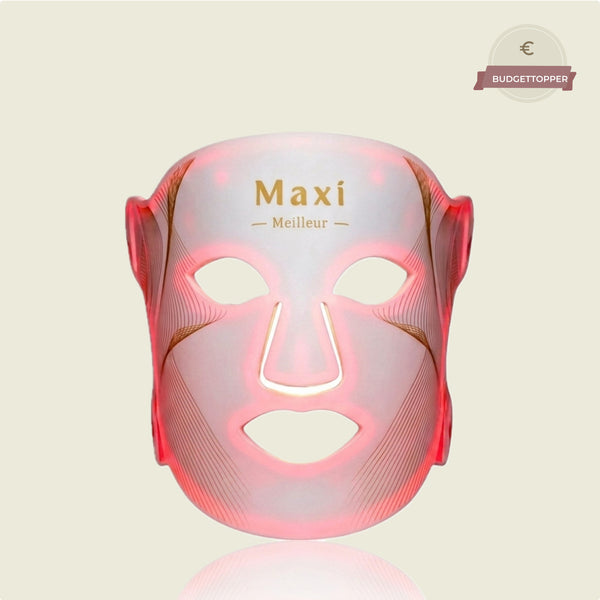
Nova Series - LED Mask White
- Entry-level model for high-quality LED therapy + 850 nm near infrared
- Simple routine for fresher and more even-toned skin
- Face + chin coverage
€129,00
Shop now
Save €30,00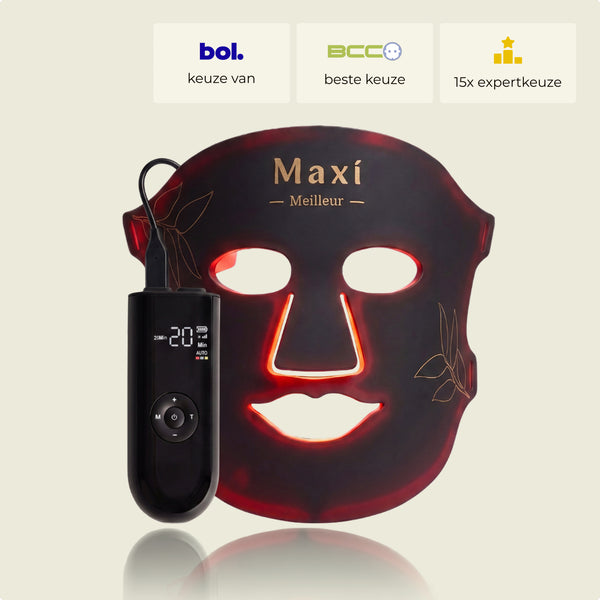
Pro Series - LED Mask
- Clinically & dermatologically tested by an independent lab
- High Density - Quattro LED chip technology + 850 nm near-infrared
- Face + chin coverage
€219,00€249,00
Shop now
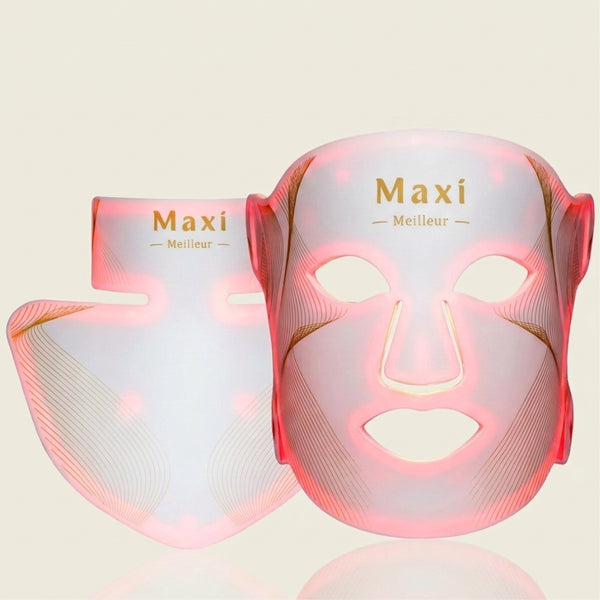
Nova Series - LED Mask White
- Entry-level model for high-quality LED therapy + 850 nm near infrared
- Simple routine for fresher and more even skin
- Face + neck + décolletage coverage
€229,00
Shop now
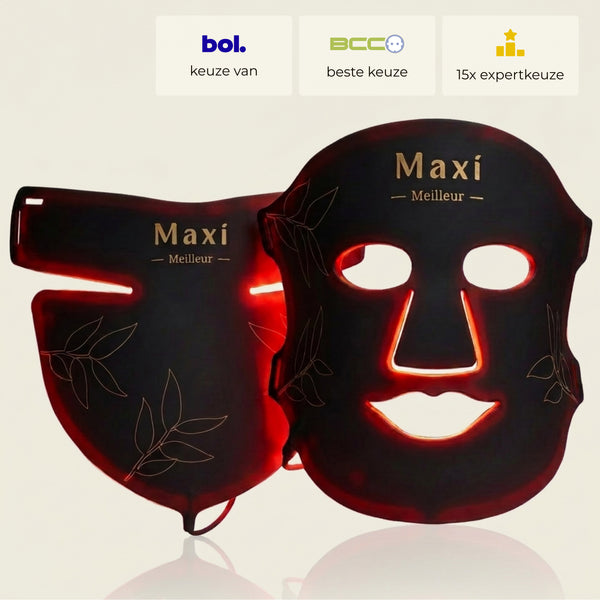
Pro Series - Full Glow Set Black
- Klinisch & dermatologisch getest door een onafhankelijk lab
- 680 High Density LEDs - Quattro LED-chip technologie + 850 nm nabij infrarood
- Gezicht + Hals + borst dekking
€339,00
Shop now


